Understanding 3D animation costs
The stages that shape a 3D animation estimate, from modelling and rigging to movement, rendering and delivery.
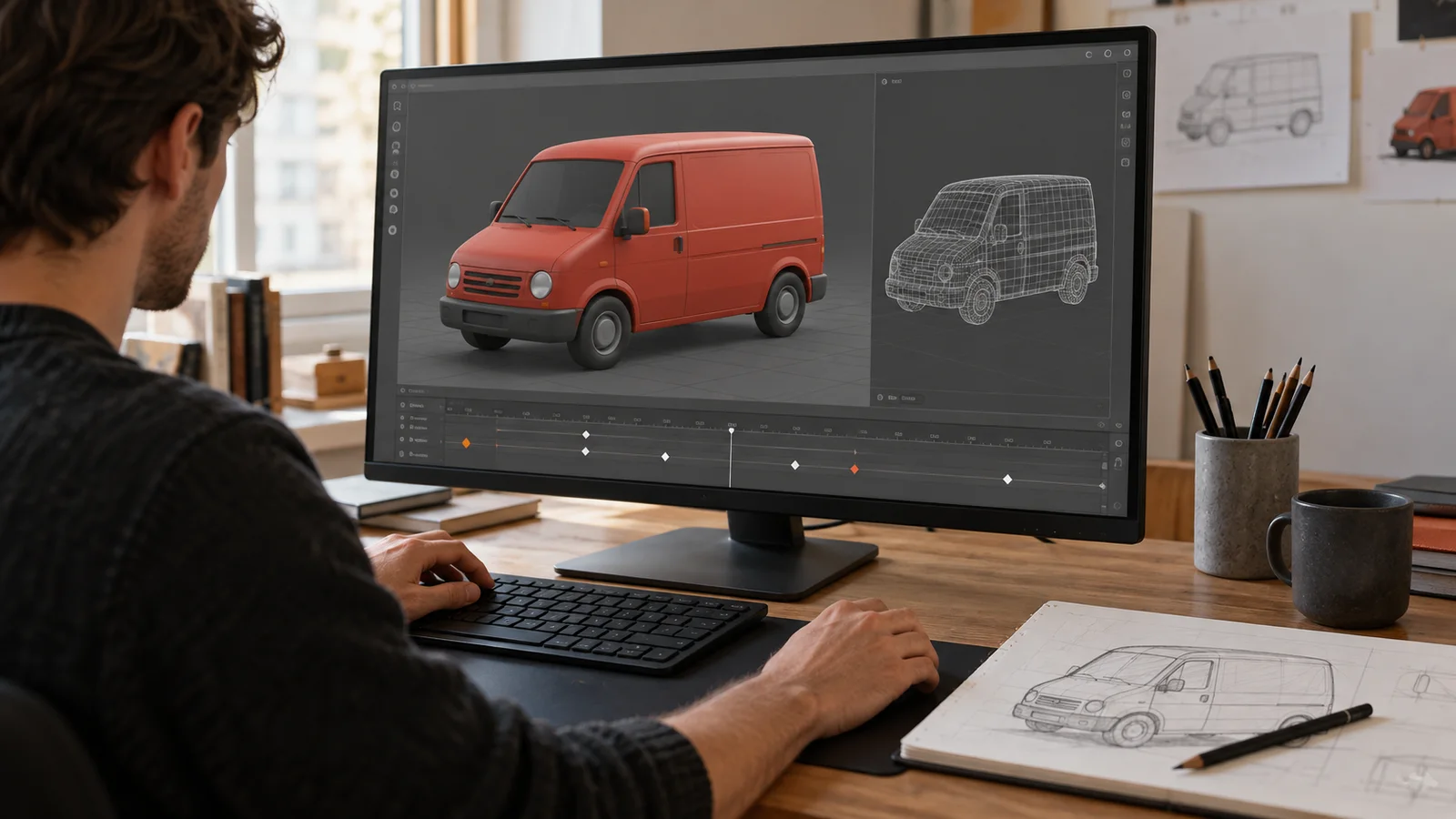
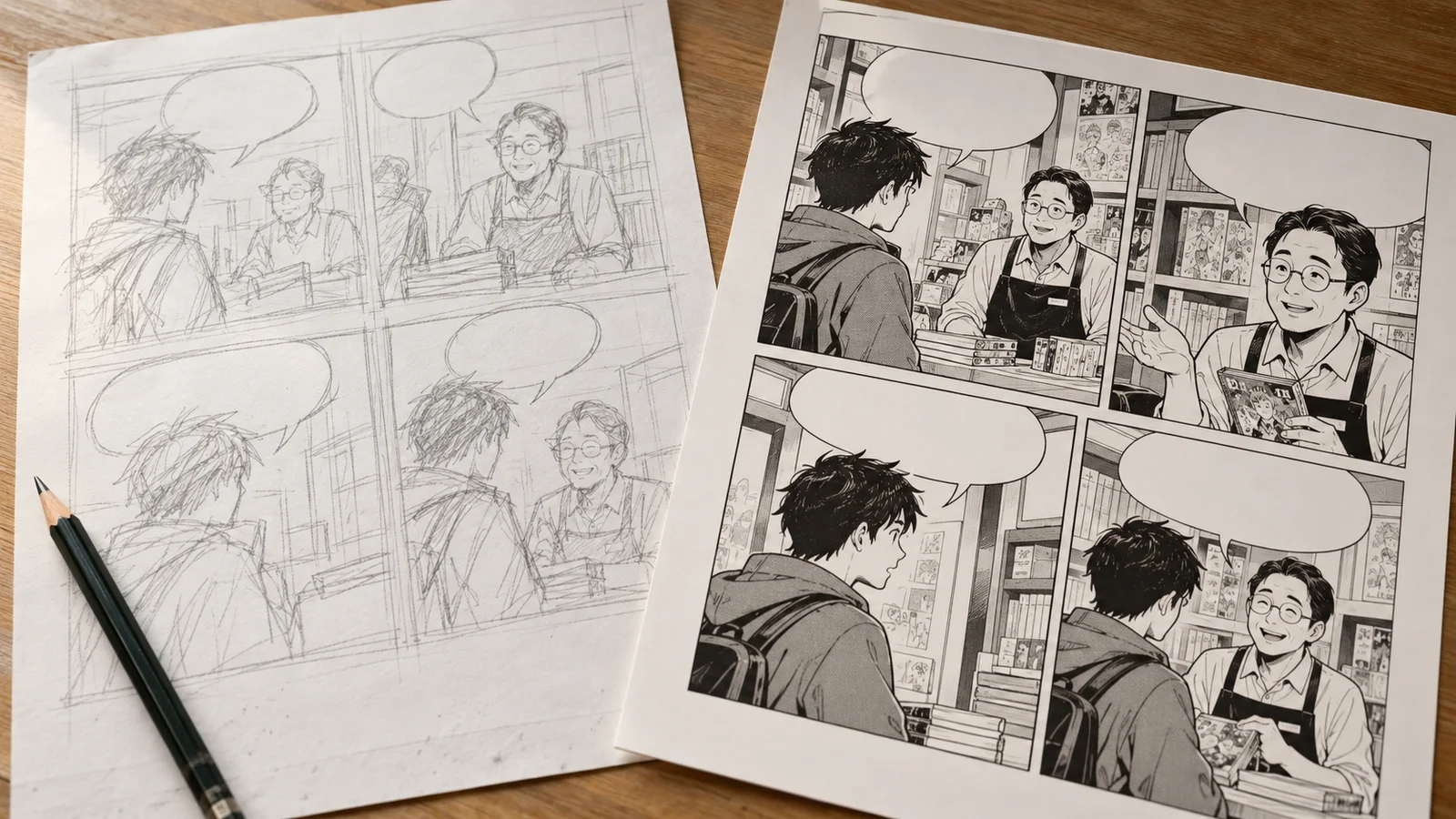
The cost of 3D animation is not determined by duration alone. Creating new character or product models, designing movement and materials, rendering and delivery requirements all affect the work involved. Start with the purpose of the film and what viewers need to see to decide where the budget matters most.
The main production stages
- Concept, structure and storyboards
- Character or product modelling
- Rigging for moving parts
- Facial, body and camera animation
- Materials, lighting and environments
- Rendering, editing, sound and effects
- Revisions, additional sizes and source-file requirements
Existing models or CAD files are not always ready for animation. Geometry cleanup, material setup and moving-part adjustments may still be needed. Checking the format and condition of supplied files early helps make the estimate more accurate.
What changes the scope of character animation
Beyond walking or speaking, the level of acting, number of facial expressions, hair and clothing movement, and cast size affect the workload. Motion-capture data also needs cleanup and adaptation to the character. A short emotional performance can still require careful planning.
What to check for product animation
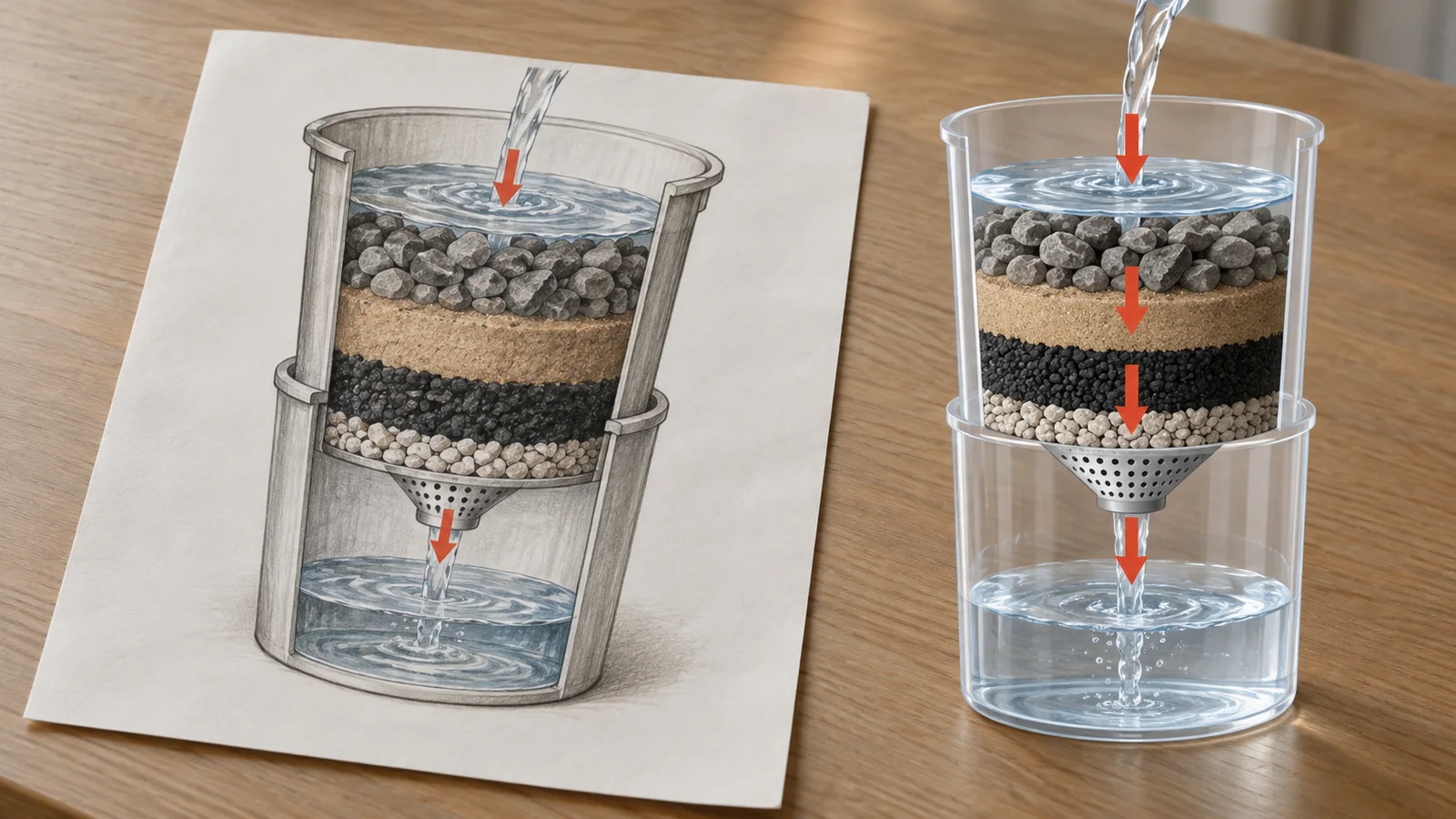
Showing a product’s appearance calls for a different approach from explaining its internal structure or operation. With design data, agree which parts must remain confidential, what may be simplified, and the required colours and materials. Fluid, smoke, destruction and cloth simulations can need separate technical testing and processing time.
What to prepare for an estimate
- The film’s purpose and intended audience
- Publishing channels and preferred duration
- Available characters, products, CAD files and logos
- Reference films and styles to avoid
- Required resolution, aspect ratios and file formats
- Launch date and people involved in approvals
The brief does not have to be final. Clear goals and priorities let us discuss whether to focus the budget on models, performance or camera direction.